


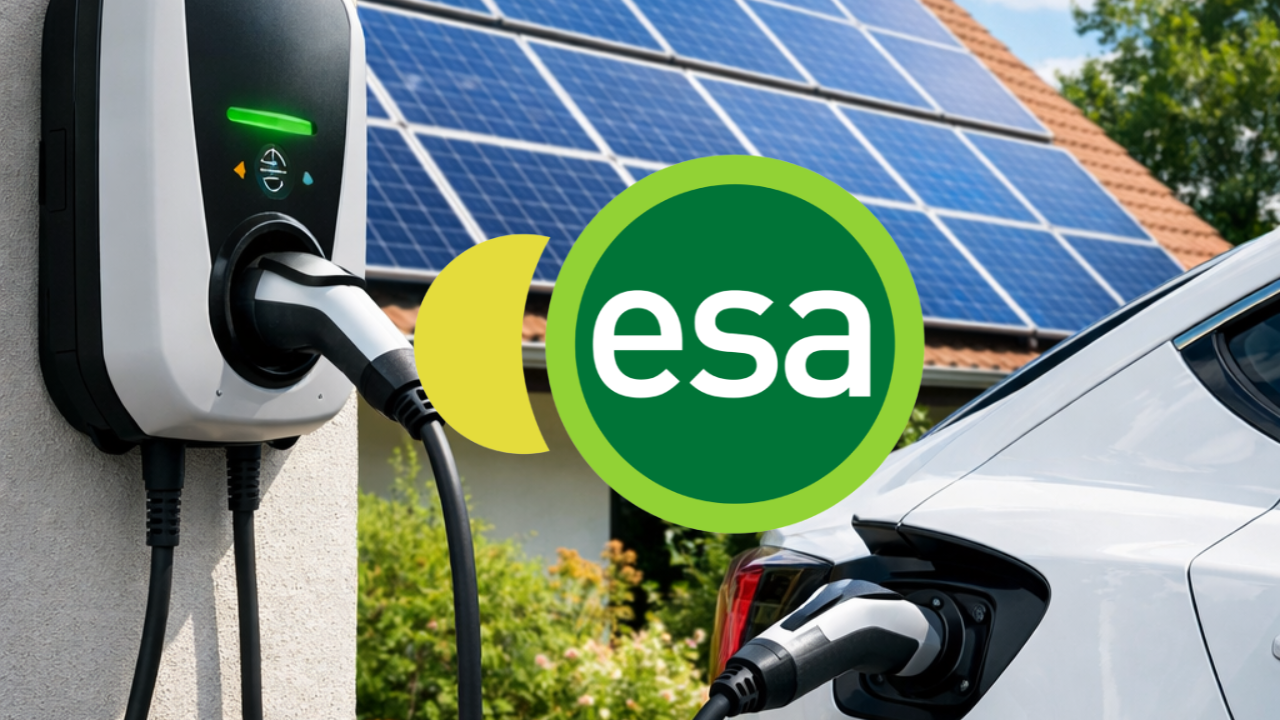
Key Factors for Installing a Home Electric Vehicle Charger and the Additional Power You Should Request from Your Energy Provider
February 16, 2026
Safety of Electric Vehicle Chargers: How to Properly Size an Electrical Installation to Avoid Overloads and Fires
March 5, 2026
Over the last decade, electric mobility has gone from being a futuristic promise to a tangible reality in Spain. An increasing number of drivers are choosing electric vehicles, driven by environmental concerns, lower maintenance costs, and the growing availability of charging infrastructure. However, beyond purchasing the vehicle itself, a key question arises: is it worth installing a private charger at home or at the workplace? Understanding the real benefits of this investment and its payback period is essential for making an informed decision.
A charging point, also known as a charger or wallbox, allows electricity to be supplied to an electric vehicle’s battery safely and efficiently. In Spain, the most common models for residential or business use operate on alternating current (AC), with power levels typically ranging from 7.4 kW to 22 kW. These chargers make it possible to recharge the vehicle overnight, taking advantage of cheaper electricity tariffs and ensuring the car is ready to use at the start of the day. Direct current (DC) fast chargers, by contrast, are mainly found at public charging stations due to their higher cost and technical complexity.
One of the most obvious benefits of installing a private charger is direct financial savings. Charging an electric vehicle at home is significantly cheaper than refuelling a petrol or diesel car. For example, an electric car consuming between 15 and 18 kWh per 100 kilometres, with electricity prices ranging from €0.15 to €0.30 per kWh, will cost between €2.25 and €5.40 to travel that distance. In comparison, a conventional car consuming 8 to 10 litres per 100 kilometres, with fuel prices between €1.50 and €1.70 per litre, can cost between €12 and €17 for the same distance. This represents a direct saving of €8 to €12 per 100 kilometres, which, for an annual mileage of 15,000 kilometres, translates into savings of €1,200 to €1,800 per year on fuel alone.
Beyond cost savings, installing a charger offers significant convenience. Not having to rely on public charging stations and being able to charge the vehicle overnight adds substantial practical value. For businesses, offering charging facilities can attract customers and increase loyalty, while for homeowners, having a charger can increase the value of a property, especially in urban areas where electric mobility is in high demand.
Environmental impact is another compelling argument. Reducing CO₂ emissions and local pollutants helps improve air quality and supports sustainability goals. In addition, many regions and municipalities offer tax incentives or subsidies for installing charging points, further reducing the initial investment.
The cost of installing a charger in Spain varies depending on power, installation complexity, and the characteristics of the building. Domestic chargers with power ratings between 7.4 kW and 11 kW typically cost between €300 and €900, while installation work and potential upgrades to the electrical system can add between €200 and €1,000. Overall, the total investment usually ranges from €600 to €1,800. However, public incentive schemes such as the MOVES Plan can subsidise between 30% and 70% of the cost, significantly lowering the actual outlay.
The payback period depends on the annual savings generated through lower fuel and maintenance costs. With an initial investment of €1,200 and estimated annual savings of around €1,200, the charger can pay for itself in just one year. Even in more conservative scenarios—such as an investment of €1,800 and annual savings of €900—the payback period is around two years. When subsidies are applied, the payback period can be even shorter, in some cases dropping below one year. Factors such as off-peak electricity tariffs or intensive vehicle use, particularly in commercial fleets, can further improve profitability.
Another important factor is the rapid technological evolution of electric vehicle chargers. In recent years, home chargers have improved significantly in terms of efficiency, charging speed, and connectivity. Modern chargers often include smart features that allow users to schedule charging during cheaper tariff periods, monitor charging status via a smartphone app, and integrate with renewable energy systems such as solar panels. These advances not only enhance user experience but also enable additional energy savings and more sustainable electricity management.
As technology continues to advance, chargers are becoming more compact, safer, and more versatile. Some newer models already offer bidirectional charging capabilities, enabling vehicle-to-home functionality. This allows the car’s battery to be used as a backup power source for the home during peak demand periods or power outages, turning the electric vehicle and its charger into a multifunctional energy asset rather than just a mobility solution.
That said, certain challenges remain. Local grid capacity can limit installations in some areas, particularly where electrical infrastructure is already stretched, and in apartment buildings, prior approval from the homeowners’ association may be required. Additionally, maximising savings often depends on choosing the right electricity tariff and optimising charging times. Nevertheless, these barriers are gradually diminishing thanks to supportive legislation and increasingly advanced technological solutions that simplify charger installation and management.
In conclusion, installing an electric vehicle charger in Spain represents an investment that combines economic savings, convenience, increased property value, and environmental responsibility. With relatively low installation costs, public incentives, and continuous technological improvement, the payback period typically ranges from one to three years. The combination of efficiency, comfort, and sustainability makes the home charger a key element in the transition to electric mobility, delivering tangible benefits for both private individuals and businesses. For those who already own an electric vehicle or are planning to purchase one, having a private charger is not only convenient but also a strategically sound decision aligned with a cleaner and more efficient energy future.